Madrid is one of the most underestimated European capitals at the planning stage. It is routinely treated as a two-day stop between Barcelona and Seville, or as a pause before Lisbon. Afterwards, almost always, comes the same remark: we needed more time.
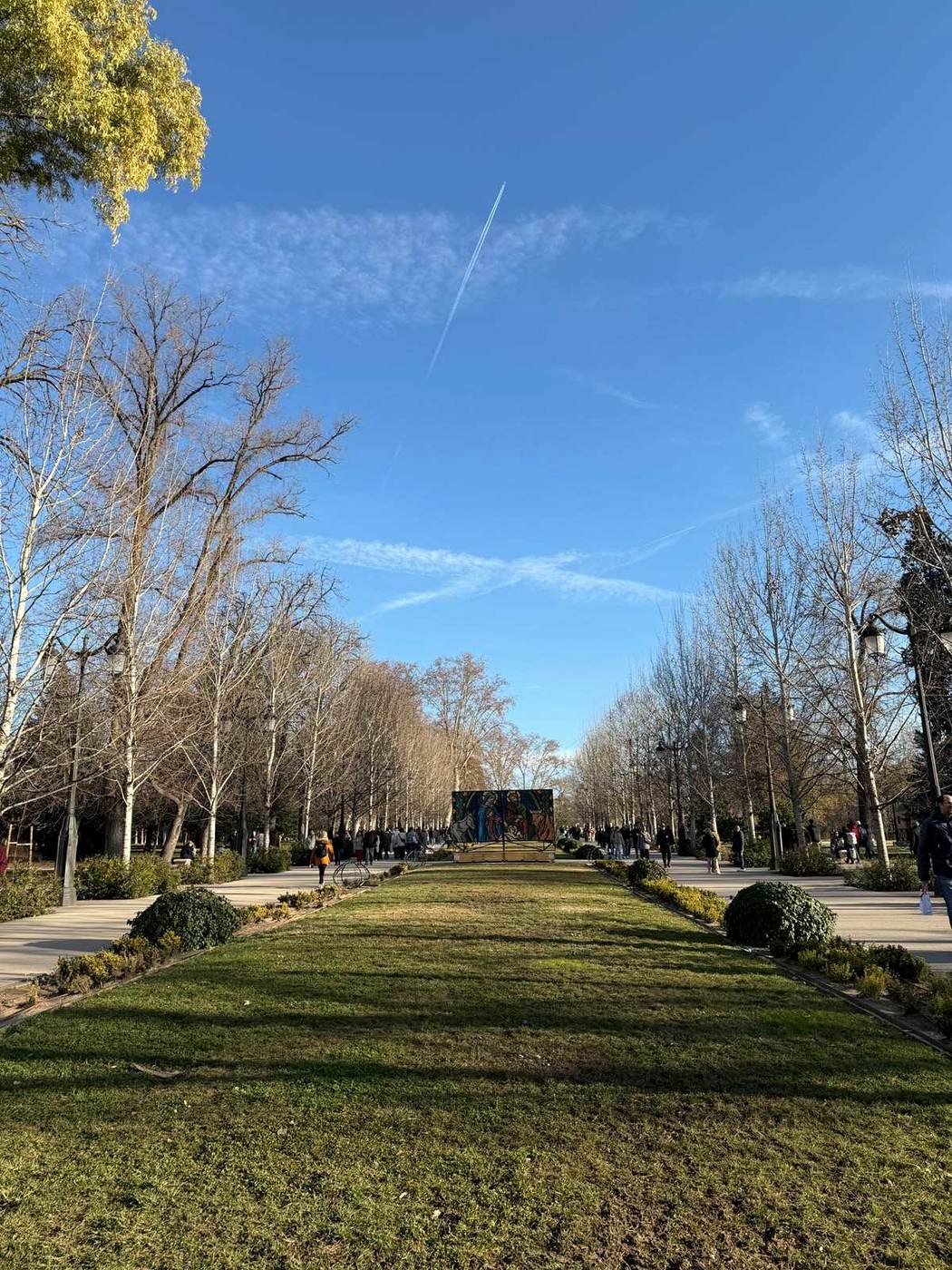
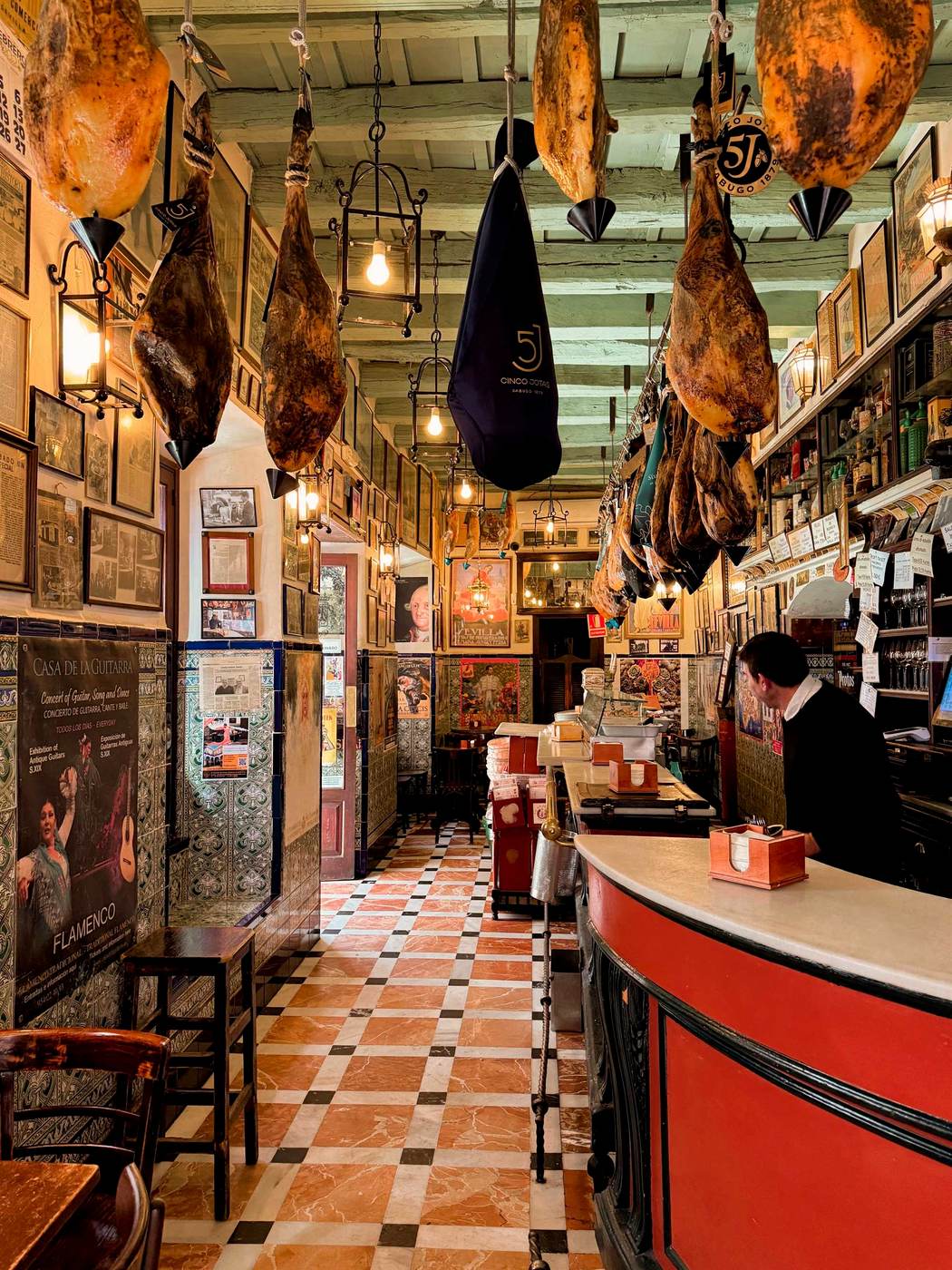
The reason is simple. Madrid does not impress by its skyline. It impresses by its density: three museums of world importance within twenty minutes on foot, a food culture that operates in five different registers, neighbourhoods with distinct personalities ten minutes apart, and a nightlife that begins when other cities have closed. None of that shows up in a photograph.
Two days: an honest glimpse
With two full days you can do one thing properly per half-day. The historic axis in a morning, a great museum in an afternoon, two good meals and one night out. It is enough for a favourable first impression and not enough for any conclusion about the city.
If this is your case, the advice is to choose: either the historic axis and a museum, or food and neighbourhoods. Attempting both in two days produces a tiring, superficial trip.
Three days: the comfortable minimum
Three days is the format we are asked for most, and it works. It allows the historic centre with context, one or two museums properly used, two contrasting neighbourhoods and three meals at different levels, without any day turning into a race.
The secret here is sequence. Three badly organised days in Madrid mean crossing the city four times a day. Three well organised days mean that each half-day block happens on foot, inside a single area.
A rule we always apply. One major museum a day, at most. The Prado, the Reina Sofía and the Thyssen on the same day is not efficiency, it is cancellation. After the second hour inside a collection of that scale, attention drops and memory stops recording. We would rather have two well-chosen hours in the Prado than a whole day walking through rooms.
Five days: the sweet spot
This is the format we recommend when the calendar allows. Five days in Madrid hold culture, neighbourhoods, shopping, an evening of flamenco or music and a full day outside the city, and still leave two free mornings.
The difference between three days and five is not quantitative. With five, the trip stops being a sequence of visits and acquires a rhythm: full days alternating with light ones, an afternoon with no plan, the chance to return somewhere you liked. It is when Madrid starts to feel familiar rather than new.
It is also the minimum for adding Toledo or Segovia without sacrificing the city itself.
Seven days: Madrid in depth
With a week, Madrid stops being an itinerary and becomes a temporary routine. You have breakfast in the same place twice, you recognise the waiter, you understand the city's hours and you start making choices by taste rather than from a list.
Seven days allow two days outside the city, secondary museums almost nobody visits, an evening of opera or theatre, real time for shopping and still room to do nothing at all. For anyone who has been to Madrid before, it is the format that makes a second trip completely unlike the first.
How we distribute the time
Whatever the length, we work with three principles of distribution.
- One strong commitment per half-day. Morning, afternoon and evening each get a single anchor. The rest of the time is margin, not programme.
- Grouped movement. Everything happening within the same half-day should be within walking distance. Crossing the city costs more than the minutes the map suggests.
- An empty afternoon every three days. It is not waste. It is what stops the whole trip from happening in execution mode.
The question behind the question
When someone asks how many days they need in Madrid, they are usually trying to decide how much time to take from somewhere else. Our honest answer: four well-planned days in Madrid yield more than seven improvised ones, and five well-planned days yield more than anything you can do in three.
Time matters less than structure. A short, well-designed trip leaves you feeling you have known the city. A long, disorganised one leaves you feeling you have passed through it.