Madrid is generous with families, which surprises people who arrive expecting a stiff cultural capital. Children are welcome in almost every restaurant, there are real parks inside the city, distances in the centre are short, and Spanish culture accommodates children with an ease that would feel awkward in other countries.
That said, a family trip to Madrid can go badly wrong for one specific reason: the mismatch between Spanish hours and children's hours.
The problem with the timetable, and how to solve it
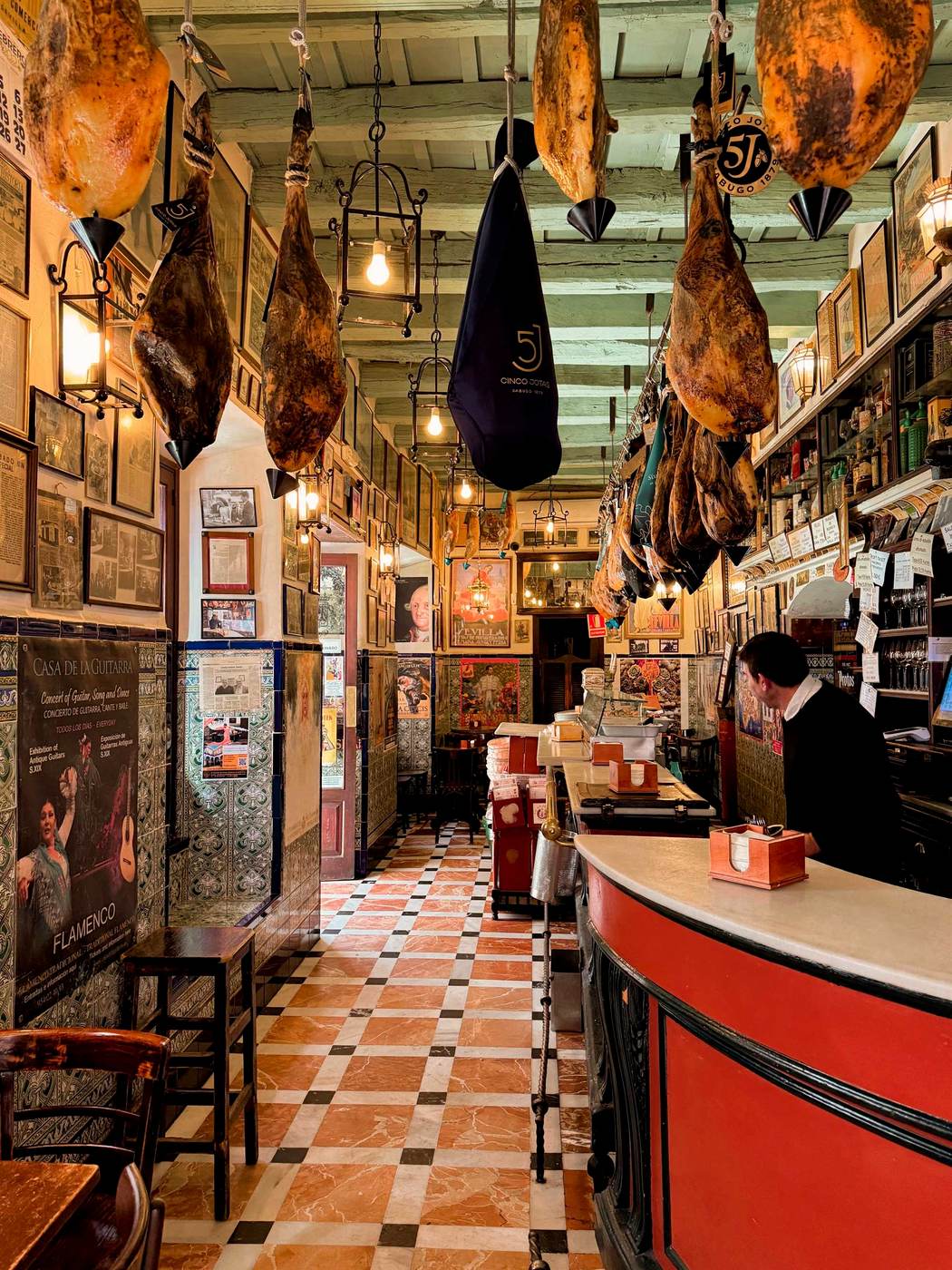
In Madrid, lunch happens between 2pm and 4pm, and dinner rarely starts before 9pm. Many kitchens do not open before 8.30pm. For a six-year-old used to eating at half past six, that is unworkable without adjustment.
There are three solutions, and we use all three depending on the family.
- Move lunch earlier and make it the main meal. Sitting down at 1.30pm, as restaurants open, guarantees a calm table and attentive service. Dinner then becomes something light and early.
- Use the merienda. The Spanish afternoon snack, taken around 6pm, is an institution, and it solves children's hunger in the gap between lunch and dinner. Hot chocolate with churros, a bocadillo (a filled roll), a wedge of tortilla.
- Choose kitchens that serve all day. They exist, they are good, and we know which ones they are. That solves the days when the plan did not hold.
The Retiro solves more than it appears to
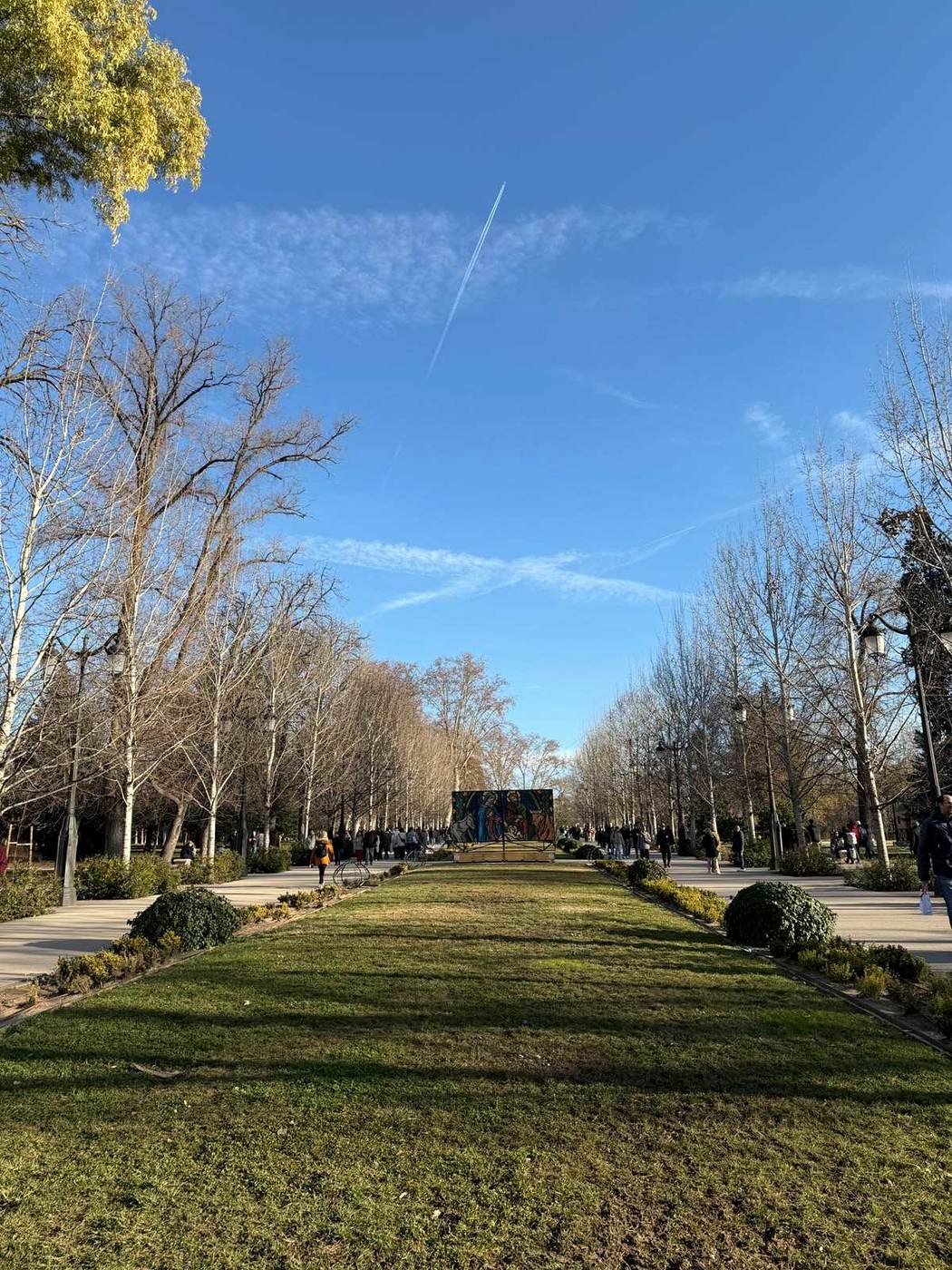
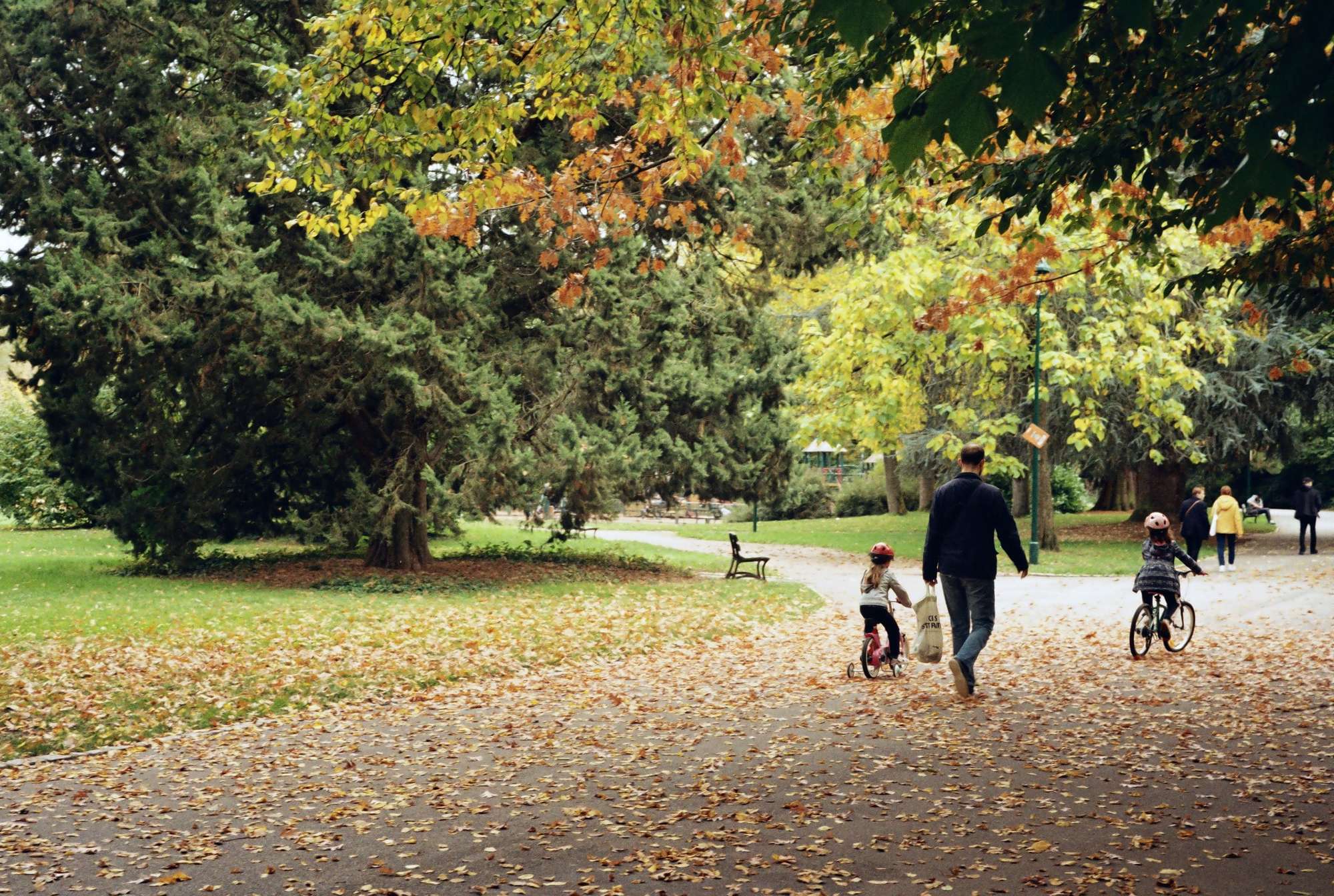
The Retiro park is not a sight to be visited for forty minutes. It is the infrastructure that holds up a family trip to Madrid.
There are rowing boats on the lake, a glass palace that enchants children without needing explanation, open space to run, puppeteers at weekends, shade in summer and sun in winter. On a five-day trip, it is common for us to return to the Retiro three times, at different moments and for different reasons.
One practical recommendation: save the Retiro for after a museum, not before. The order matters.
Museums that work with children
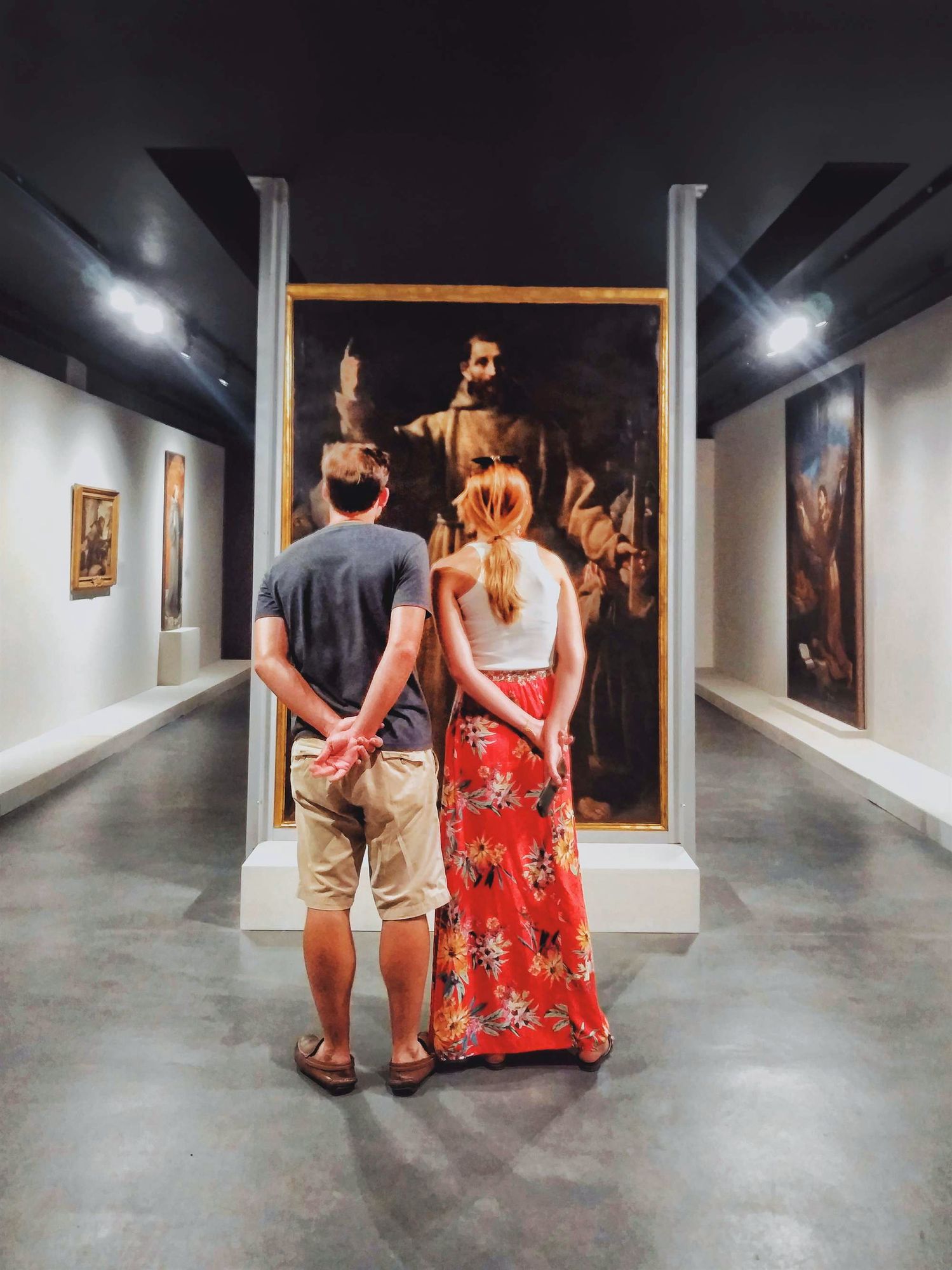
The Prado with children is entirely possible, but in a specific format: one hour, ninety minutes at most, along a route built as a story rather than as a visit. Seven or eight works, chosen because they are visually striking and because they have a tale attached. Las Meninas always works. Goya's dogs work with teenagers. A battle, a monster, a dog hidden in the corner of a painting: that is how attention holds.
For younger children, the Museo Nacional de Ciencias Naturales and CaixaForum give more back per hour. The Museo del Traje, the costume museum, wins over children with an eye for clothes. The Reina Sofía is harder below the age of twelve, with the exception of Guernica, which tends to impress through sheer scale and story.
The ninety-minute rule. No block of programme with children should run beyond ninety minutes without a genuine pause: sitting down, eating something, running about a bit. A day with four ninety-minute blocks and three pauses achieves far more than a day with two three-hour blocks. The same is true of the adults, even if they will not admit it.
Football, at the right ages
For children from about seven or eight, and especially for teenagers, a visit to the Santiago Bernabéu or the Metropolitano is often the high point of the trip. A match, when the fixture list obliges and tickets exist, is better still.
One honest warning: an evening match in Madrid finishes late, the stadium empties slowly and the following day suffers. It is worth doing, but the planning has to absorb it by leaving the next morning free.
Where to stay as a family
The streets around the Retiro are our most consistent recommendation: the park nearby, wide pavements, pharmacies and supermarkets close by, short distances and quiet at night. For longer stays, or families with more than two children, serviced apartments with a kitchen change the logistics of the morning completely.
We avoid the historic centre with small children. The pavements are narrow, the flow of people is heavy, and a pushchair turns every block into a negotiation.
A day out with children
If there is one day trip, Segovia tends to work better than Toledo for families with small children: the train is quick, the aqueduct impresses instantly and the alcázar looks like a castle from a story. Toledo is more beautiful and richer, but it has steep slopes and stone streets that wear out short legs.
What actually changes the trip
The families who come home from Madrid happy are not the ones who saw the most. They are the ones who had a programme with slack in it, short distances, and someone who had already thought about what to do when it rained, when the museum was packed, or when somebody decided at 11am that they were not leaving the hotel after all.
That is why a family trip is, of all formats, the one that benefits most from professional planning. Not because children need more activities, but because they need fewer, better spaced, with an alternative always ready.