When a client tells us they have already been to Madrid two or three times, the suggestion is almost always the same: set aside a whole day for Chamberí. The reaction tends to be mild disappointment, because the name promises nothing and there is no monument to justify the visit. By the end of the day the conversation is a different one.
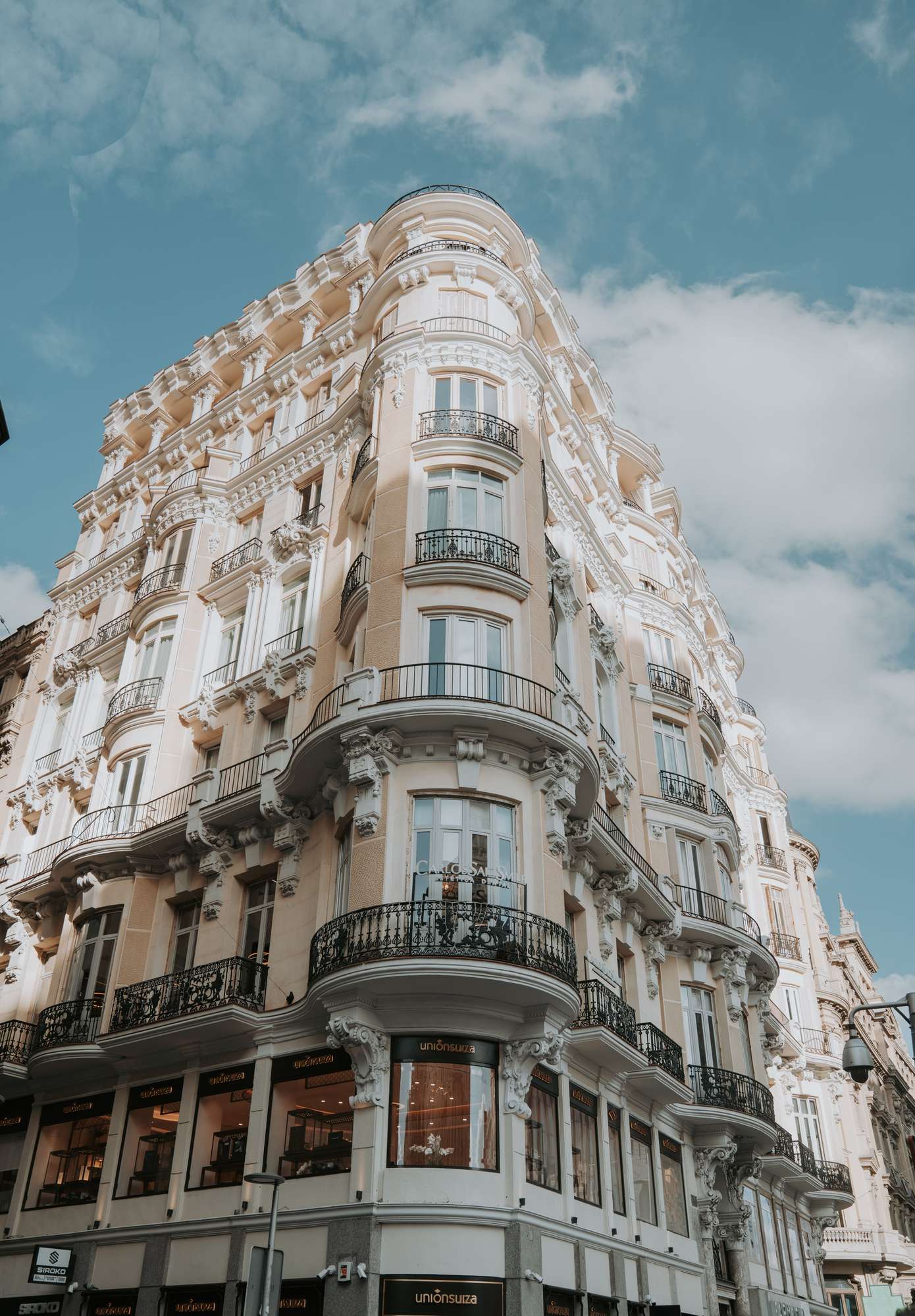
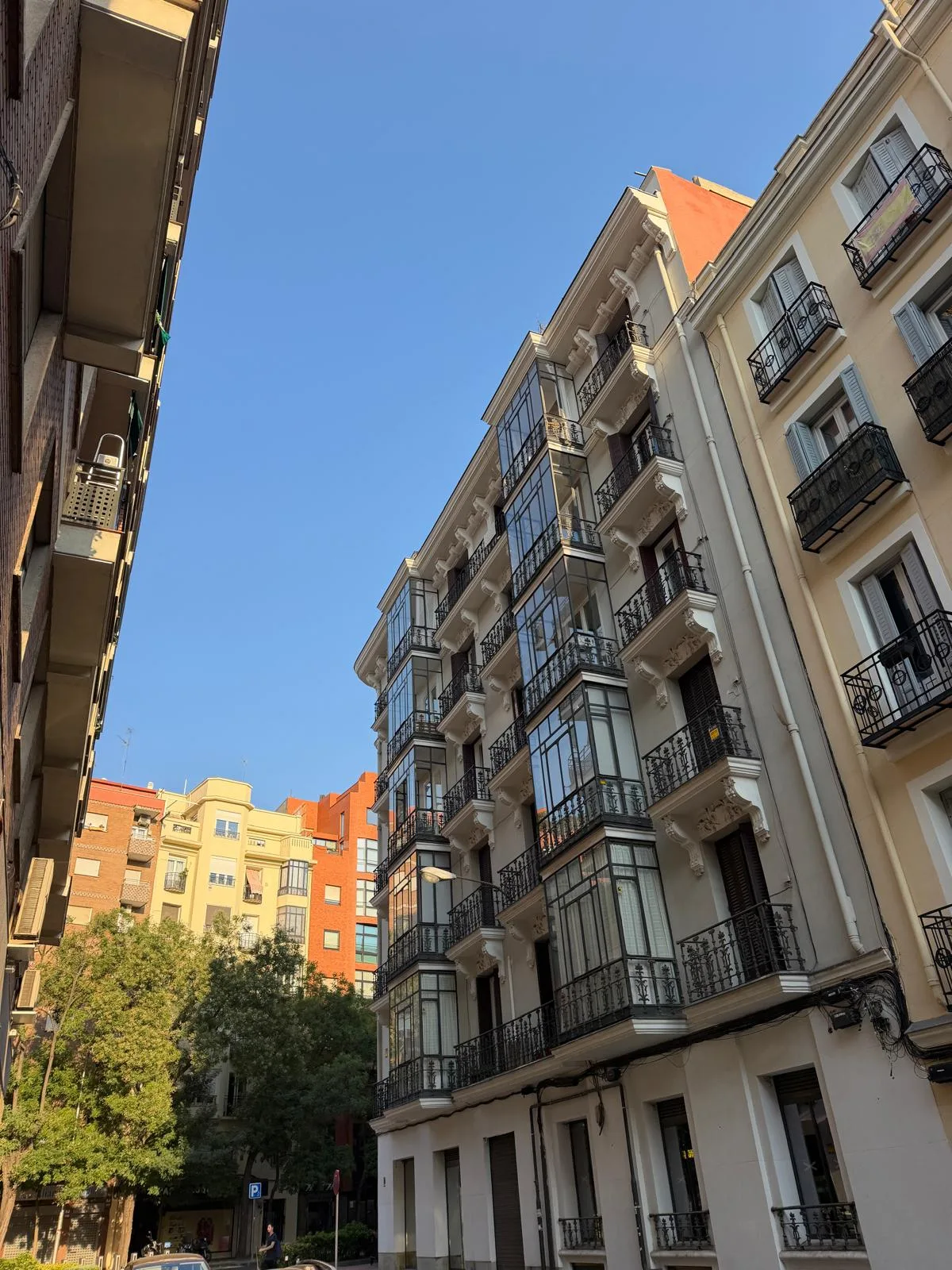
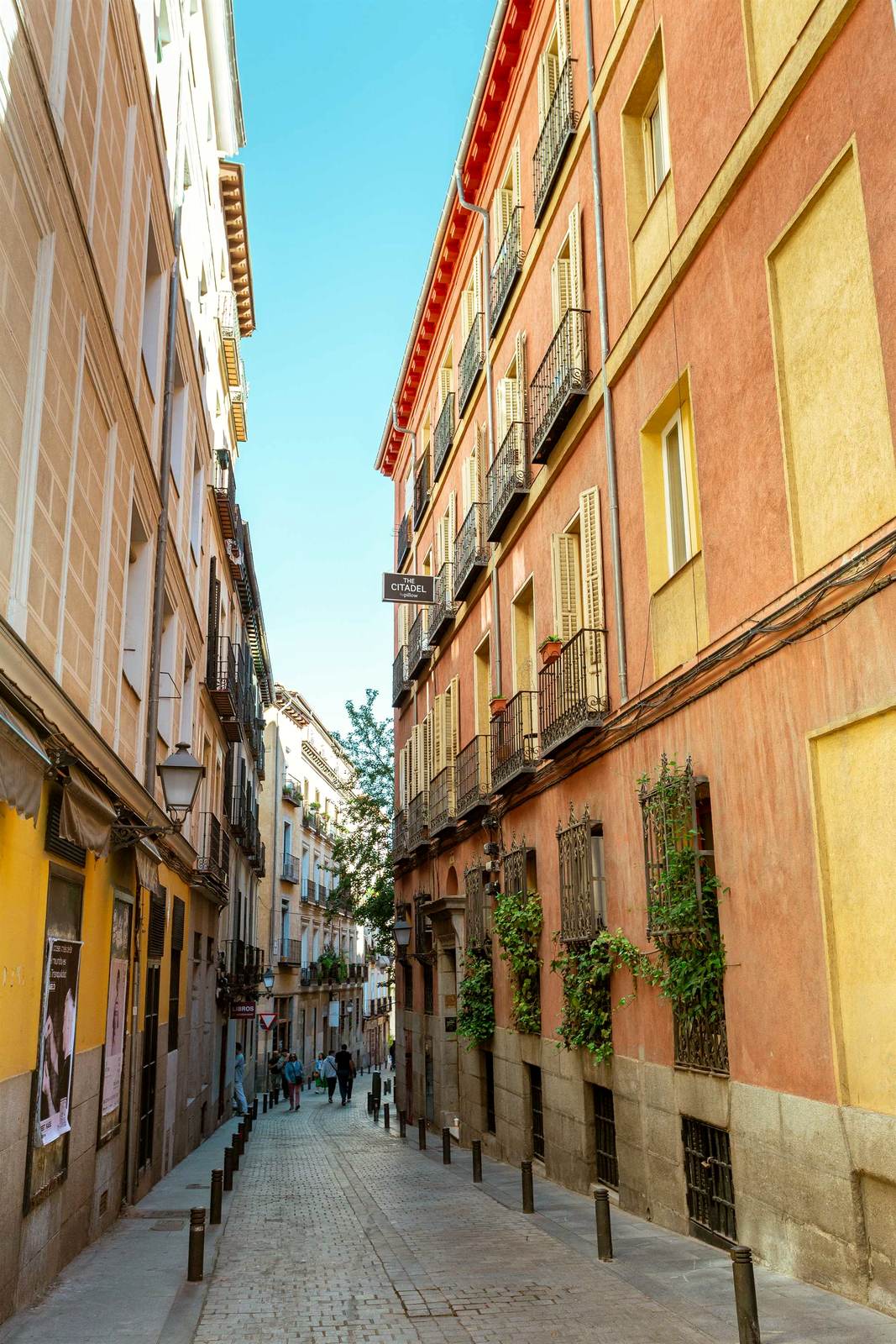
Chamberí is a residential district north of the centre, built for the most part between the end of the nineteenth century and the beginning of the twentieth. It has no cathedral, no palace, nothing that turns up on a list of the city's ten essential sights. What it has is a city working: markets where people genuinely do their shopping, bars where the regulars are known by name, squares full of children at seven in the evening, and a density of good food per block that almost no tourist neighbourhood anywhere reaches.
Morning: the coffee and the square
Start early, between nine and ten, with breakfast standing at the counter of any corner bar. Do not look for the best one: in Chamberí the average is high and the value lies in doing it the way it is done, among people on their way to work.
Then walk to the Plaza de Olavide. It is an octagonal square ringed with terraces, with a playground in the middle, and it is the social heart of the neighbourhood. In the morning there are pensioners in the sun and pushchairs. In the afternoon, children coming out of school. At night, those same terraces full of people in their early thirties. It is one space performing three functions across a day, and twenty minutes of watching it teaches you more about the city than a guided tour.
It is worth knowing that a covered market once stood there, demolished in the 1970s with explosives and broadcast live on television. The square as it is now is the space that was left.
Mid morning: a real market
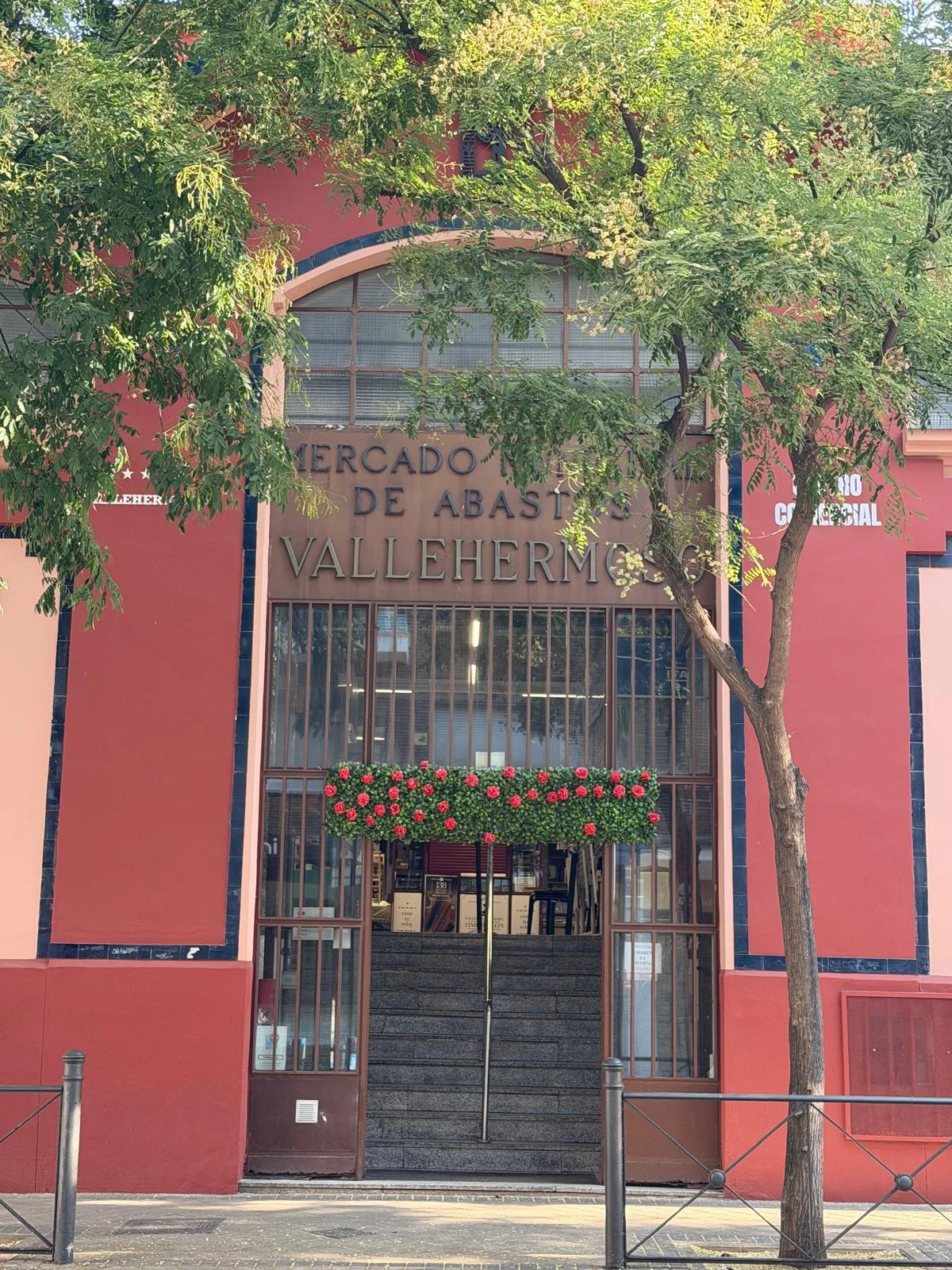
Chamberí has two working neighbourhood markets, and they are the opposite of what most visitors know as a market in Madrid. They are not food halls with vermouth counters for tourists. They are places where people buy fish, meat, fruit and cheese, with family stalls and a regular clientele, and where a few of the units have begun serving food without the market ceasing to be a market.
The difference registers straight away: the prices are the prices of people who live there, the conversation happens in Spanish, and the fishmonger asks how you are going to cook it before choosing the piece. Buying something small to take home, some jamón, a cheese, a bottle of olive oil, is one of the more honest things to bring back from Madrid.
Before midday: a collection almost nobody visits
Chamberí holds one of the loveliest house museums in Madrid, the former home and studio of the painter Joaquín Sorolla, with the garden he designed himself after those of Andalusia. It is a small, luminous collection, exactly the right size for an hour, and the contrast with the Prado could not be greater: here the painting is beach, light, water and living people.
It is also an example of the kind of place that sustains a second or a third trip to Madrid. Nobody comes to the city for the first time to see Sorolla. People who come back do.
It is worth checking the programme and the visiting arrangements before you go, because the house goes through periods of building work and opening may be restricted.
Midday: the vermouth, which here is not up for discussion
If there is one hour at which Chamberí is unarguably the best neighbourhood in Madrid, it is between one and half past two.
Calle Ponzano has gathered so many good bars over the last ten years that it has turned into a verb. To go de ponzaneo is to do the run, two or three places, one drink in each, with no plan and no booking. On Saturdays the whole street is standing on the pavement.
An honest warning: Ponzano stopped being a secret some time ago, and at weekends it is full. The parallel streets are still excellent and considerably calmer, and that is where we tend to send anyone who wants the experience without the crowd. The rule is simple: if the bar has a handwritten board with the day's vermú de grifo and the counter is occupied by people from the neighbourhood, go in.
The counter test. In Madrid you can recognise a good bar before tasting anything. Look at the counter: if it is full of people standing, coats over their arms, talking loudly, and there are napkins on the floor, it is good. A bar that is empty at one in the afternoon in Chamberí is not empty by accident.
Early afternoon: la comida, sitting down
After the vermouth, sit down. Chamberí has everything from hundred-year-old tabernas to chef-led kitchens at prices that in the centre would be double. It is also one of the best places in the city for the menú del día, served on weekdays, three courses and wine for a figure that surprises people arriving from abroad.
Book. The idea that a neighbourhood without tourists needs no booking is false: the good houses in Chamberí fill with people who work there, and at half past two on a Thursday there is no table.
Afternoon: a ghost station and a water tower
Two short and improbable visits, both in Chamberí, both almost unknown.
The first is the Chamberí ghost station, a metro station closed in 1966 and kept exactly as it was, with its period advertising tiles, the ticket office and the platform. It works today as a museum space and is visited from the inside, with the trains going past without stopping on the other side. It is strange, brief and memorable.
The second is the old water tower of the Canal de Isabel II, an early twentieth-century brick building converted into an exhibition space, generally for photography. It is worth going in even without knowing what is on, for the interior architecture.
Late afternoon and evening
Go back to the Plaza de Olavide at about seven, when the neighbourhood fills again, and take the merienda, the afternoon snack, on one of the terraces. Then choose: a quiet evening in Chamberí itself, eating lightly at around half past nine, or ten minutes in a taxi to the centre if the night is going to be something else.
In most of the trips we plan, the recommendation is to stay. A whole day in Chamberí works better when it ends where it began.
Staying here
For anyone who already knows Madrid, Chamberí is our most frequent suggestion for where to sleep, and it is worth understanding what you gain and what you give up.
You gain real quiet at night, wide streets, neighbourhood prices, the concrete sense of living in the city for a few days, and enough good food within a few streets to make travelling for most meals unnecessary.
You give up the walk home after dinner in the historic centre, which is a pleasure very much of the first trip. From the centre to Chamberí is ten minutes by metro or twenty-five on foot, agreeable for much of the year and considerably less so in July at four in the afternoon.
That is why the recommendation changes with the trip. First time in Madrid: sleep near the historic axis. Second or third: sleep in Chamberí, and the city will feel completely different.
Why this day tends to be the favourite
At the end of a trip, when we ask which day was the best, the answer is rarely the day of the Prado or the day of the most expensive dinner. It is frequently this one, and the reason is always similar: it was the only day on which the person did not feel like a visitor.