There is one question we are asked more than any other, and it almost never arrives in the right form. People ask which hotel we recommend in Madrid. The useful question is a different one: which neighbourhood makes sense for you to sleep in, given the kind of trip you are about to take.
Madrid is compact at its centre and very well served by public transport, which means almost no choice is catastrophic. But there are real differences between waking up in Salamanca and waking up in Malasaña, and those differences show up every day of the trip, three or four times a day.
Las Letras: the safest choice for a first trip
The writers' quarter sits between the Paseo del Prado and the Puerta del Sol, and takes its name from the authors of the Spanish Golden Age who lived there. Cervantes is buried a few metres from the house where Lope de Vega spent his last years. There are verses set into the paving stones.
For anyone visiting Madrid for the first time, it is hard to argue against Las Letras. You walk to the Prado in eight minutes, to the Plaza Mayor in ten, and to almost every restaurant you will want to try in under twenty. That changes the trip: it means walking home after dinner, with no taxi and no calculation.
The counterpoint is noise. Some streets are lined with bars and stay lively until late on Fridays and Saturdays. When choosing the hotel, the question that matters is which way the room faces.
Salamanca: comfort, service and order
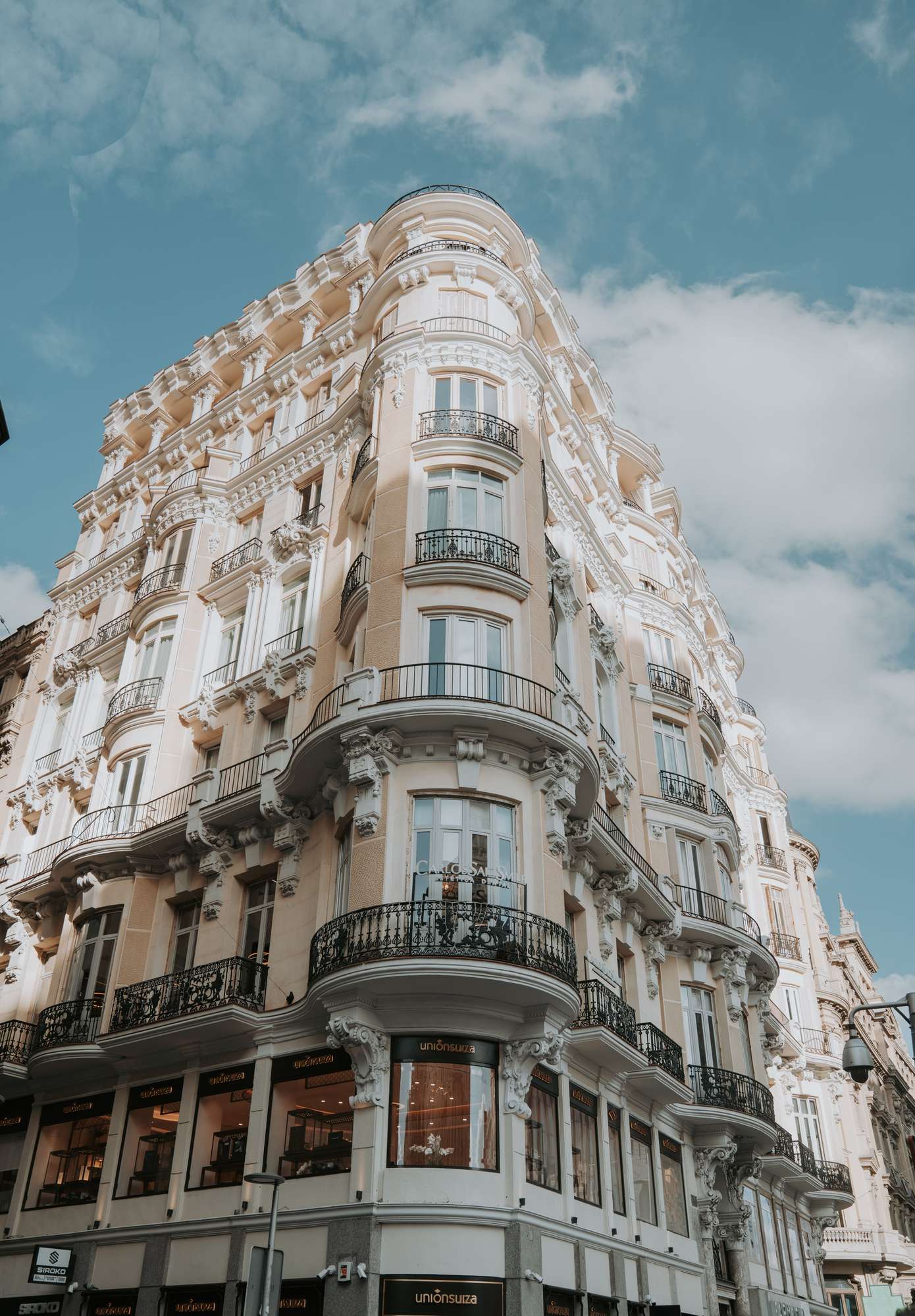
If your trip involves shopping, if you are used to international standards of service, or if you value sleeping on a quiet street, Salamanca is the answer. The district was laid out in the nineteenth century on a regular grid, with wide pavements and a calm the historic centre cannot offer.
It is where the major international labels are, along with much of contemporary Spanish fashion, polished restaurants and some of the most comfortable hotels in the city. The historic centre is ten or fifteen minutes away by taxi, and the Retiro is a few blocks off.
The frequent criticism is that Salamanca is impersonal. We only partly agree: the district has a very particular resident life, with markets, cafés and tabernas that most visitors never see. It is simply not the neighbourhood for anyone who wants to step out of the hotel and straight into historic Madrid.
Retiro: quiet, with culture on foot
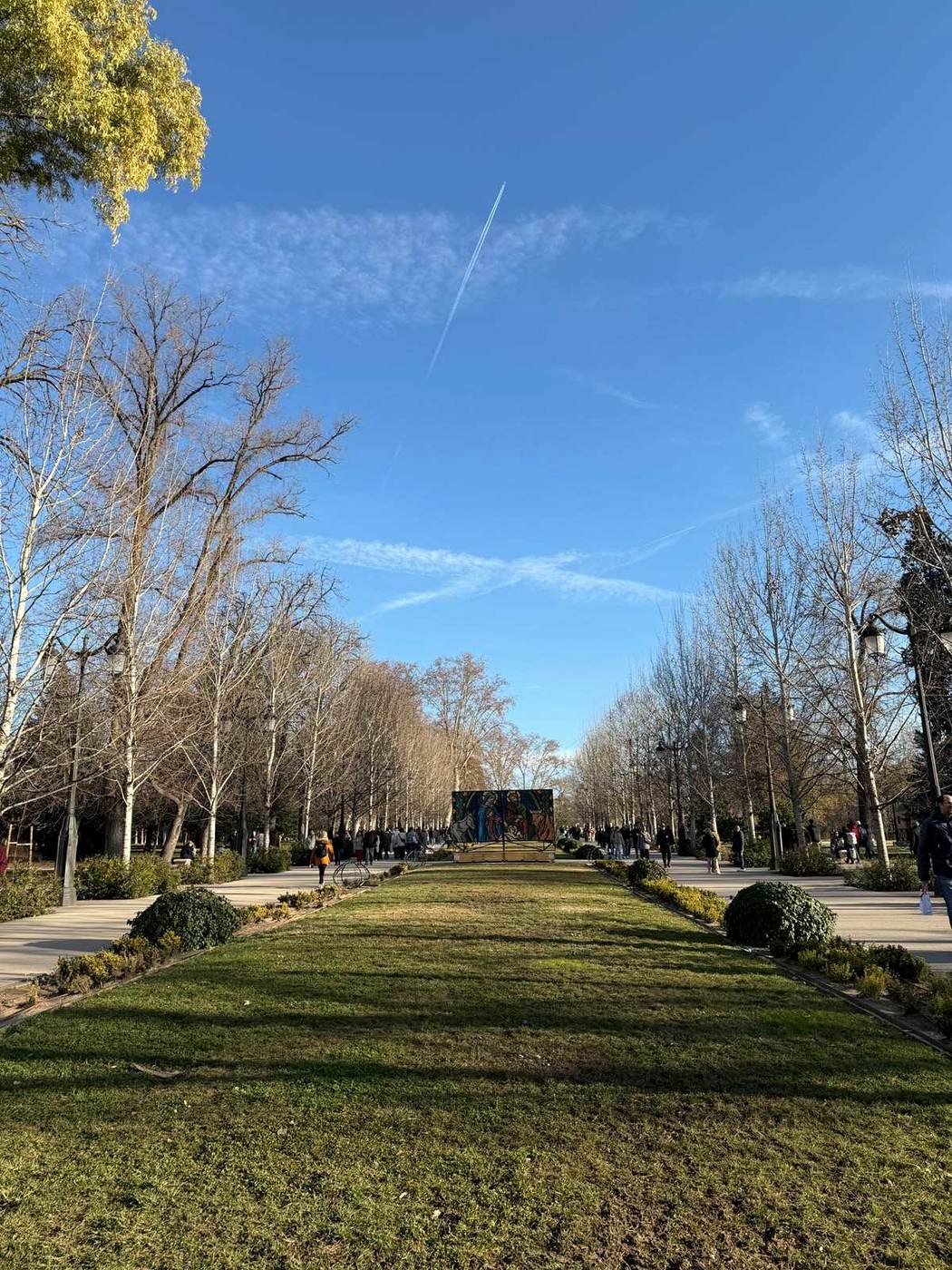
The streets around the Retiro park are our most frequent recommendation for couples and for families. They are residential, leafy and calm at night, and still put you ten minutes on foot from the Prado and the Thyssen.
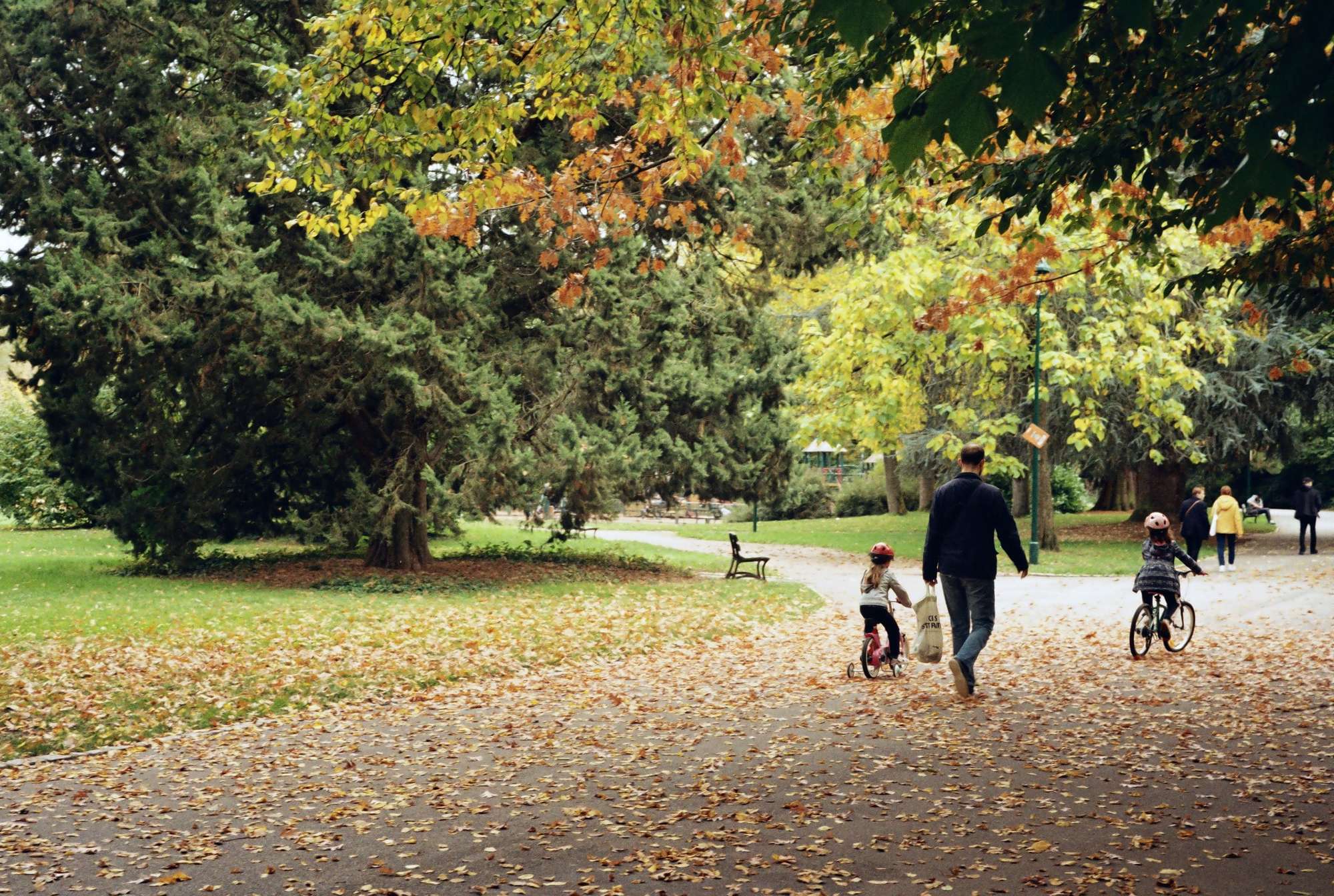
For families the combination is particularly good: the park rescues difficult mornings, the pavements are wide, there are pharmacies and supermarkets nearby and distances are short. For couples the value is the quiet: you come back from a long dinner and the street is still.
Chamberí: for those who already know Madrid
When a client tells us they have been to Madrid two or three times, we almost always suggest Chamberí. It is the neighbourhood where the city is most itself: markets that genuinely work, vermut tabernas full at one in the afternoon, cafés with regulars and virtually no tourism.
Staying in Chamberí means living a madrileño routine for a few days rather than visiting a city. The centre is ten minutes by metro or twenty-five on foot, and for most of the year that walk is a pleasure.
It is not the choice for someone with three days who wants to see the essentials. It is the choice for someone with five or more who wants to understand the place.
Chueca and Malasaña: energy, with caveats
Chueca is central, diverse and full of good informal restaurants, independent shops and nightlife. Malasaña, next door, is younger and more creative, with bookshops, speciality coffee and an aesthetic of its own. Both are excellent to explore by day and after dark.
As a base, they call for a conscious decision: these are noisy neighbourhoods at weekends. If you sleep soundly, if the trip has a strong evening component, or if you are travelling with a group of friends, they work very well. If you are a light sleeper, there are better choices five minutes away.
La Latina and the historic centre
La Latina is the most sociable Madrid there is: squares, tapas, the El Rastro market on Sundays and a vermut ritual worth the trip on its own. It is a wonderful place to spend a Sunday and a demanding place to sleep.
The historic centre itself, between the Plaza Mayor, the Ópera and the Royal Palace, is dense and fascinating, but it carries the heaviest visitor flow in the city. Staying there means maximum convenience and minimum calm. We tend to suggest visiting it early in the morning, while it still belongs to the people who live there, and sleeping somewhere else.
The test we apply. Before suggesting a neighbourhood, we ask three things: how many days you have, what time you usually go to bed, and who is travelling with you. The answers rule out half the options straight away. The right place to stay is the one that removes decisions during the trip, not the one that impresses at the moment of booking.
A note on apartments
For stays of seven days or more, for families with small children and for groups, serviced apartments tend to work better than hotels. Having a kitchen changes the logistics of the morning and allows a simple meal in when nobody wants to go out. Salamanca, Chamberí and the Justicia area hold the best options of this kind.
What this means in practice
No neighbourhood is objectively better. There is the neighbourhood that suits the trip you are about to take, and it shifts with the number of days, the time of year, who is travelling with you and what you want the trip to mean.
When we plan a trip, the choice of neighbourhood is one of the first decisions, because everything after it is affected: which restaurants make sense, in what order to see the museums, how much time to allow for getting about, whether it is worth hiring a car for a day out. A good decision about where to stay saves hours across the week. A poor one shows up every single day.